How Much Does A Switchboard Upgrade Cost In NSW?
The cost of a switchboard upgrade in NSW varies significantly depending on your board type, the number of circuits and whether your consumer mains need upgrading too. There's no single fixed figure that applies across the board; the right price depends on what's actually happening behind your meter box. If you're staring down a tripping board or a renovation quote that's flagged an upgrade, here's what actually drives that number and what you're paying for.
What Is a Switchboard Upgrade?
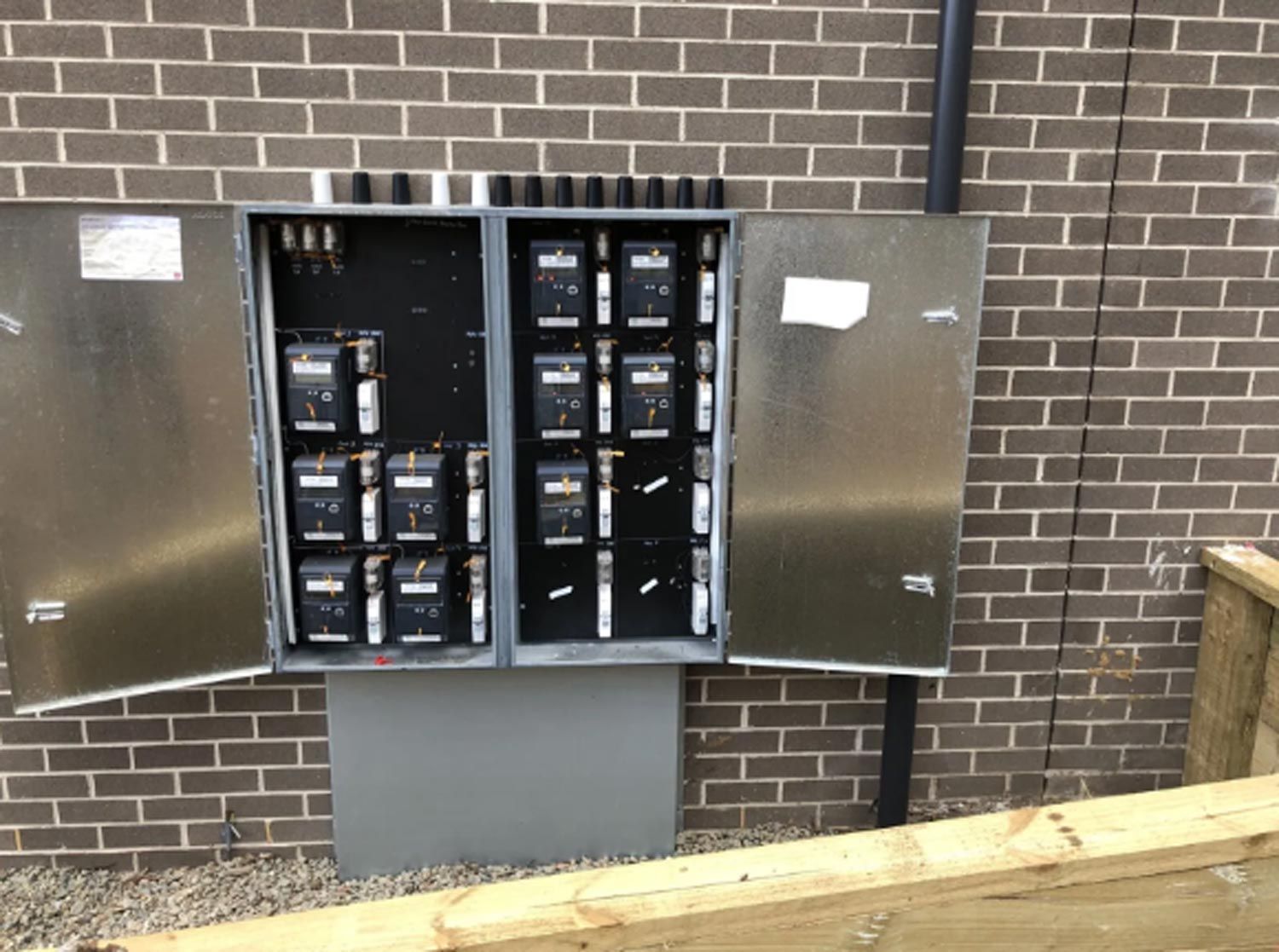
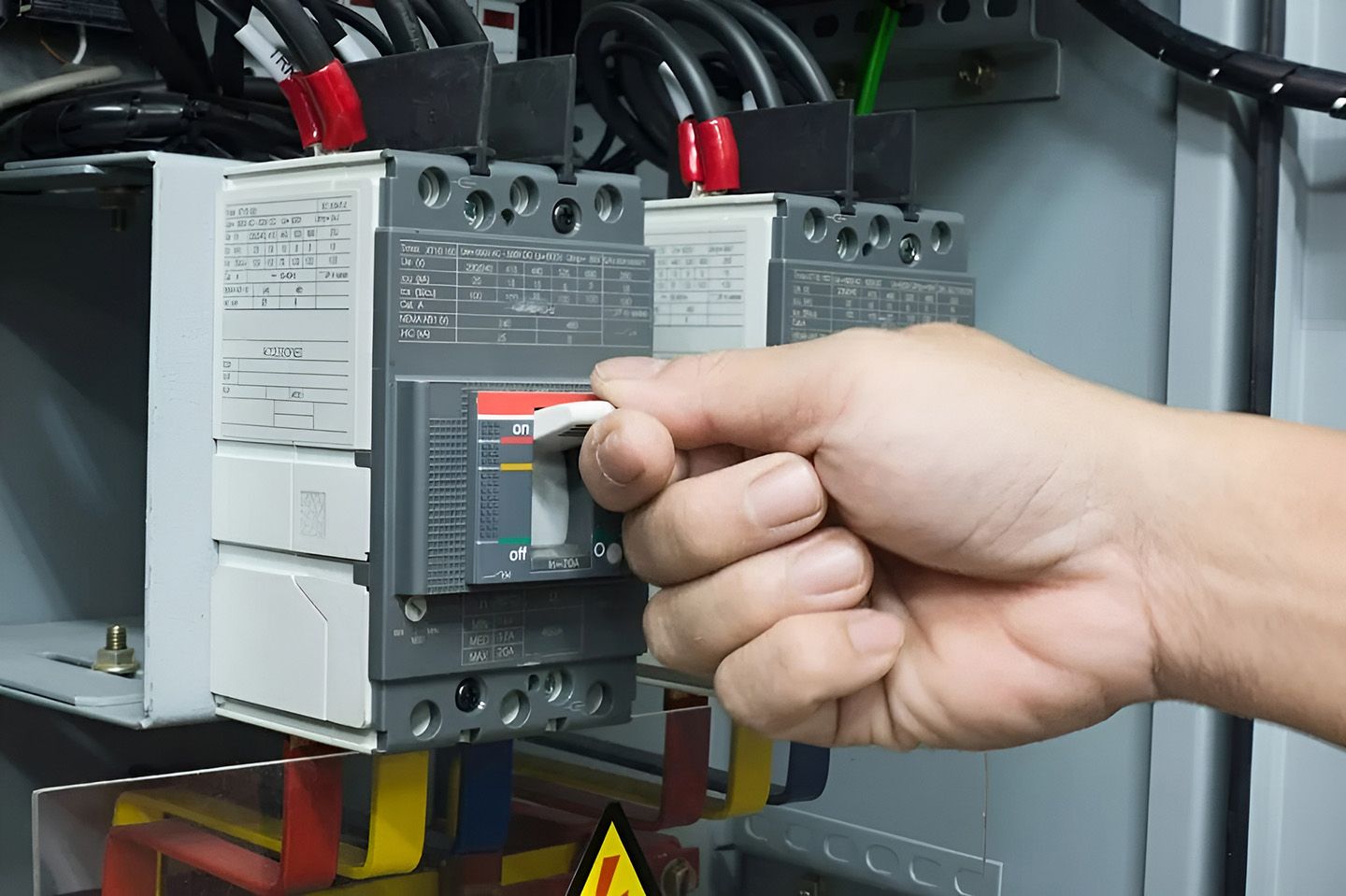
A switchboard upgrade replaces your home or business's old fuse box or outdated circuit board with a modern switchboard, typically built around residual current devices (RCDs) and circuit breakers rather than rewireable fuses. The switchboard is the central point where electricity from the street enters your property and is distributed to individual circuits: lighting, power points, hot water and air conditioning, among others.
Older Nowra homes, particularly those built before the 1990s, often still run on ceramic fuses with no RCD protection at all. An upgrade replaces that setup with a compliant board that isolates faults automatically, rather than letting a fault run unchecked through the wiring. It's a foundational piece of electrical safety infrastructure, not a cosmetic fix.
How Much Does a Switchboard Upgrade Cost in NSW?
For a typical single-phase residential property, a switchboard upgrade cost in NSW generally sits at the lower end of the scale for a standard board swap: new switchboard enclosure, circuit breakers, RCDs and labour for a licensed electrician to disconnect the old board and commission the new one.
Costs move upward from there depending on scope. A property needing three-phase power, additional circuits, smart metering or solar/EV integration will sit at the higher end. Commercial switchboards, which often carry more circuits and higher load capacity, are priced separately and require a more detailed site assessment.
As an example, a three-bedroom Nowra home with an old ceramic fuse board and no separate circuits for the kitchen or laundry will usually need more breakers and rewiring at the board than a property that's already partially modernised. That difference in existing infrastructure is one of the biggest swings in final price.
What Affects the Cost of a Switchboard Upgrade?
Several factors shape the final invoice, and understanding them helps you read a quote rather than just compare the bottom line:
- Number of circuits – more circuits mean more breakers, more labour and a larger board.
- Single-phase vs three-phase – three-phase upgrades cost more due to additional components and complexity.
- Consumer mains condition – if the mains cable from the street connection is undersized or degraded, it may need replacing alongside the board, which adds cost and may require coordination with the network operator.
- Board location and access – a switchboard tucked in a tight meter box or requiring scaffolding access takes longer to work on than one that's easily accessible.
- Age and type of existing wiring – older wiring may need partial replacement to safely connect to a modern board.
- Add-ons – surge protection, smart monitoring, solar-ready circuits or EV charger provisioning all add to the base cost.
None of these factors are worth guessing at. According to industry best practice, a proper on-site assessment is the only reliable way to price a switchboard upgrade, because two boards that look similar from the street can have very different wiring underneath.
When Does a Switchboard Upgrade Become Necessary?
A switchboard upgrade usually becomes necessary when one of a few things happens. The board is visibly outdated: ceramic fuses, no RCD protection or a rewireable fuse that's been "patched" with the wrong fuse wire. Circuits trip repeatedly, especially when multiple appliances run at once, which often signals the board can no longer handle the household's actual electrical load. Or a renovation, extension, solar installation or EV charger installation triggers a compliance requirement, since new work often can't be safely connected to an outdated board.
Insurance can also be a factor. Some insurers ask direct questions about switchboard age and safety switch presence, and an outdated board can complicate a claim after an electrical fault. If you're not sure whether your board is at that point yet, our blog on signs your switchboard needs upgrading walks through the key warning signs before you commit to budgeting for a full upgrade.
Do You Need a Level 2 Electrician for a Switchboard Upgrade?
Most standard switchboard upgrades can be carried out by a licensed Level 1 electrician, since the work happens on your side of the meter. However, some upgrades involve changes to the consumer mains, the cable connecting your property to the street supply, or work on or near the network operator's equipment, such as the meter or point of attachment. That work sits outside a Level 1 electrician's scope in NSW.
In those cases, you'll need a level 2 electrician Nowra property owners can rely on for accredited service provider (ASP) work. This includes tasks like replacing overhead or underground consumer mains, moving a meter or upgrading the point of supply connection. A good electrician will identify upfront whether your job needs Level 2 sign-off and factor that into the quote, rather than discovering it partway through the job.
Getting an Accurate Quote for Your Switchboard Upgrade
The only way to get a genuinely accurate price is a physical inspection of your existing board, mains and wiring. Anyone quoting a fixed number without seeing the site is either guessing or leaving room to revise the price once they arrive, and neither is ideal when you're trying to budget properly.
A proper quote should break down the board itself, labour, any mains or metering work and compliance certification, so you can see exactly what you're paying for and why. For an accurate quote on a switchboard upgrade Nowra homes or businesses require, FAW Electrical provides upfront pricing with no hidden costs.
If your board is tripping, your renovation quote has flagged an upgrade, or you're simply not sure where your property stands,
contact FAW Electrical for an obligation-free assessment. Getting a clear picture of your actual switchboard now is a lot cheaper than dealing with an electrical fault later.
Frequently Asked Questions
Is a switchboard upgrade worth the cost?
Yes, for any property still running ceramic fuses or without RCD safety switches. The upgrade reduces fire and shock risk significantly and is often required before you can safely add solar, EV charging or renovation circuits.
How long does a switchboard upgrade take?
A standard residential upgrade usually takes half a day to a full day, though this depends on board complexity and whether mains work is involved. Your power will need to be switched off for part of that time.
Can I upgrade my switchboard myself?
No. Switchboard work in NSW must be carried out by a licensed electrician, and certain tasks require Level 2 accreditation. DIY work on a switchboard is both illegal and dangerous, since it involves live connections to the network supply.
Does a switchboard upgrade require council approval?
Generally no, but the work does need to be certified by a licensed electrician and, in some cases, notified to the network operator, particularly if consumer mains or metering are affected.
Will my power be off during the upgrade?
Yes, briefly. Your electrician will disconnect the supply to safely remove the old board and connect the new one, then restore power once everything is tested and compliant.
How do I know if my switchboard is outdated?
Common signs include ceramic fuses instead of circuit breakers, no RCD/safety switches, frequent tripping, a board older than 25-30 years, or visible scorch marks or corrosion. A licensed electrician can confirm this during an inspection.