Safety Switch Vs Circuit Breaker: What's The Difference?
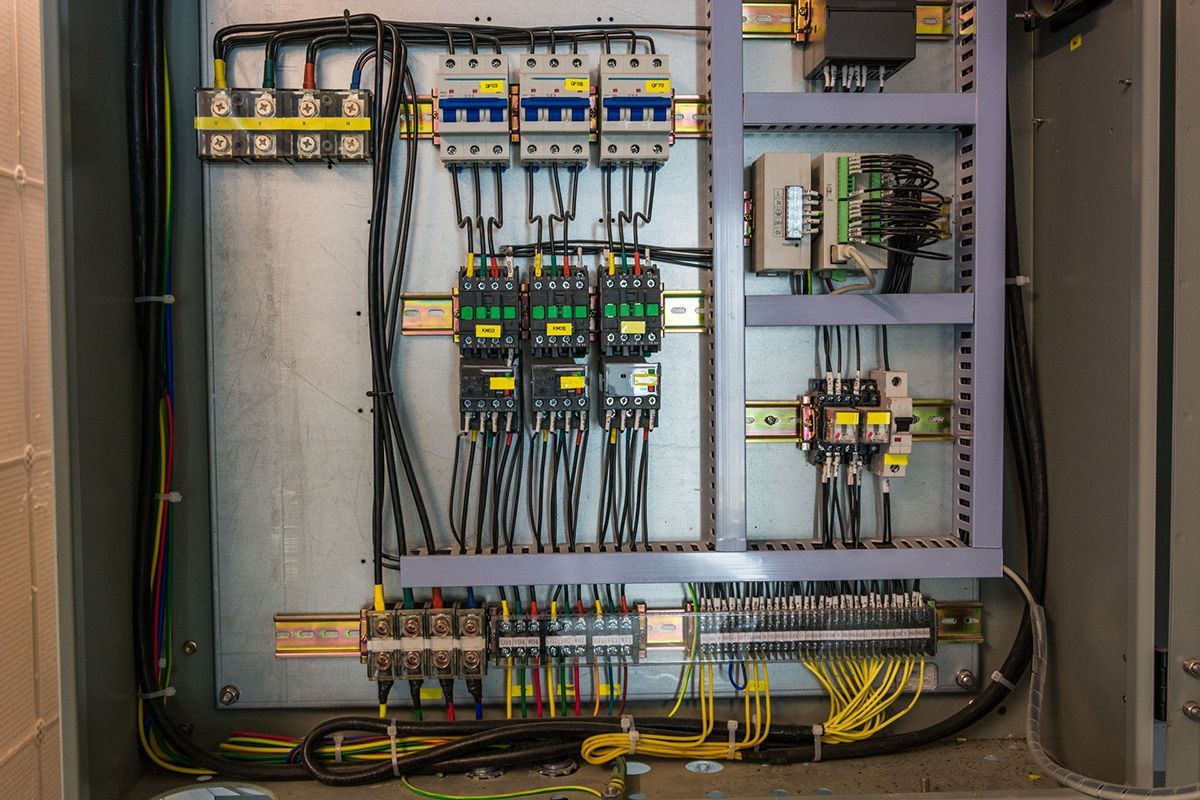
If you have looked inside your switchboard after a power outage, you may have seen several similar-looking switches. Understanding the difference between a safety switch vs circuit breaker can help you make sense of an inspection report and find out whether your Nowra home has the right protection.
What Is a Circuit Breaker?
A circuit breaker cuts power when too much current flows through a circuit, such as during an overload or short circuit. Its main job is to protect electrical wiring from overheating and damage.
Having circuit breakers in your switchboard does not, by itself, mean you have protection against electric shock..
What Is a Safety Switch?
A safety switch, also called a residual current device or RCD, monitors the flow of electricity through a circuit. If it detects current leaking away from its intended path, it quickly cuts the power. Its primary purpose is to reduce the risk of serious electric shock.
A safety switch and a circuit breaker can look alike. An RCD usually has a button marked “Test” or “T”, but the number of switches alone does not tell you which parts of the house are protected. Some devices combine RCD and circuit breaker functions in one unit, often called an RCBO. A licensed electrician can identify what is installed and which circuits it protects.
Why Does a Home Need Both?
The difference between a safety switch vs circuit breaker comes down to the fault each is designed to detect:
- Circuit breaker: Responds to excessive current and helps protect the circuit’s wiring.
- Safety switch: Responds to current leakage and helps protect people from electric shock.
These are different risks, so a modern switchboard needs both types of protection. They may be provided by separate devices or combined in an RCBO. An RCD protects only the circuits connected to it, which means having one safety switch does not necessarily mean every circuit in your home is covered.
If a switch keeps tripping, the cause needs investigating. It might be responding to an overloaded circuit, a faulty appliance or current leakage. Repeated trips do not necessarily mean the switch itself is faulty.
What Are the NSW Requirements for Safety Switches?
NSW applies the Australian and New Zealand Wiring Rules to electrical installation work. The current rules require RCD protection for domestic and residential final sub-circuits. What an existing property needs depends on the work being carried out, so a licensed electrician should assess an older switchboard before recommending changes.
The NSW Government says homes built during or after 2000 will usually have safety switches. For homes built before 2000, it strongly recommends asking a licensed electrician to check. It also advises homeowners to confirm that enough switches are installed to protect the relevant circuits.
For rental properties, the condition report at the start of a tenancy records whether there is a working safety switch. NSW Fair Trading treats a faulty safety switch, or one detecting an electrical fault during a tenancy, as an urgent repair.
When Should You Ask About a Switchboard Upgrade?
A switchboard assessment is worthwhile if you have been told your home lacks RCD protection, still have an older fuse box, or plan to add circuits or appliances that increase electrical demand. Frequent tripping, flickering lights, buzzing or signs of heat around the board also call for an electrician’s attention. FAW Electrical covers more warning signs in its guide to signs your switchboard needs upgrading.
An assessment does not automatically mean replacing the entire board. An electrician can check its condition, capacity and existing protection, then explain whether adding protection, making repairs or replacing the switchboard is appropriate.
If an upgrade also involves mains connections or metering, it may require a
level 2 electrician Nowra homeowners can call for that specialised work. An ordinary safety switch installation does not automatically require Level 2 work.
Safety Switch vs Circuit Breaker: Get Clear Advice in Nowra
A circuit breaker is an important safeguard for your wiring, but it does not replace a safety switch’s protection against electric shock. If the safety switch vs circuit breaker distinction has left you unsure what is installed in your home, a licensed electrician can identify the devices and check which circuits they protect.
FAW Electrical installs, repairs and upgrades
electrical switchboards that Nowra homeowners rely on, including safety switch installation and circuit protection testing. To discuss your switchboard or arrange an assessment,
get in touch with the team.